

I started in ecommerce in 1998, as employee #5 at Zappos. People were still nervous about typing a credit card number into a website, and shoe brands were still telling us nobody would ever buy footwear without trying it on first. They were wrong, of course. But you couldn’t blame them for not seeing it yet.
I’ve been in this industry through every wave since the first dot com era: Paid Search, Marketplaces, Mobile, Personalization, Apps, Reviews, Social Commerce, Same-Day Delivery, Influencers. Most of those shifts followed the same pattern: the technology arrived before the consumer was ready for it. While they were massively impactful, adoption was slow, sometimes very slow.
I’ve also spent the last decade leading innovation at Albertsons and Shipt. I’ve also watched a lot of promising “transformations” fail to live up to the hype.
Agentic commerce is not hype. Setting a task for an AI agent to make a purchase on my behalf *is* happening. This is something real. And it’s moving faster than anything I’ve seen in 25 years.
Nobody Had to Learn This One
Here’s the thing that makes agentic commerce different from every prior shift: nobody has to be taught how to use it.
Every previous technology had an adoption curve driven by behavior change. You had to convince people to shop on a website instead of calling a catalog. You had to get them to download an app. You had to explain what a filter was. The product was always way ahead of the customer.
ChatGPT changed that equation entirely. You type what you want, the way you would say it to a person, and something genuinely useful comes back. My wife was trying to find a warm but packable jacket to wear in September in Ireland: stylish, not just functional, easily packable. She got five results in her size in about thirty seconds. That search would have taken an hour of tab hopping in the old world. There was no learning curve. There was no tutorial. She just asked.
That’s the big shift. The interface is perfectly synced to how people actually think. That frictionless entry has created an appetite for more. Consumers are ready to hand AI agents real tasks: book this, buy that, and just handle it.
The Numbers Merchants Can’t Ignore
If you sell anything online and you haven’t been paying close attention to what’s happening with AI driven commerce, here’s all you need to know:
- $262 billion in global online sales were influenced by AI agents during the 2025 holiday season alone. (Salesforce)
- 53% of all web traffic in 2025 was automated (non-human) traffic. (Imperva 2026 Bad Bot Report)
- 57% of ecommerce website traffic during the holiday season now comes from bots, not human shoppers. The first time automated traffic has exceeded human traffic in retail history. (Radware)
- $1 trillion. McKinsey’s projection for what agentic commerce will represent in US retail alone by 2030.
These aren’t forward-looking forecasts. Most of these stats are last quarter. This is already happening at your storefront, whether you’re watching it or not.
And here’s what most merchants don’t realize: a significant portion of that traffic isn’t malicious. It’s your customers. Real people who have started using AI agents to research and shop on their behalf. Your cybersecurity team is doing exactly what they’re supposed to do by blocking unverified bots. But right now, they have no way to tell the difference between a bad actor and a trusted agent shopping for one of your best customers. So they block them both. None of that agentic traffic can buy anything. Not yet.
Agents Can Shop. They Just Can’t Buy.
For the first time, consumers are outpacing the ecommerce infrastructure.
People are absolutely using AI agents to research and shop. But there’s a wall they hit almost all of the time: the agent can find exactly what you want, then it has to hand the whole thing back to you to log in and check out. These are the most tedious steps of an online shopping trip.
Think about that from a human behavior standpoint.
My son wanted to find the best tasting hydration drinks used by MMA fighters. The agent found the top three, ranked them, and compared prices. Then it handed everything back to him and said: “Great news. Go buy it yourself.”
That’s not quite an assistant. That’s a really good search engine with extra steps. Is that really fulfilling the promise of agentic commerce?
The agent has no way to carry a combination of important elements. There’s no way to verify the device starting point combined with a verified user mandate. The agent comes to a screeching halt once trust becomes crucial. And on top of that, the cybersecurity infrastructure can’t distinguish between a bad actor and a trusted agent shopping on your customer’s behalf. So it blocks them both.
That’s the gap. Human and agent teaming up in a trusted way. And closing it is the biggest opportunity in commerce right now.
What Closing the Gap Actually Looks Like
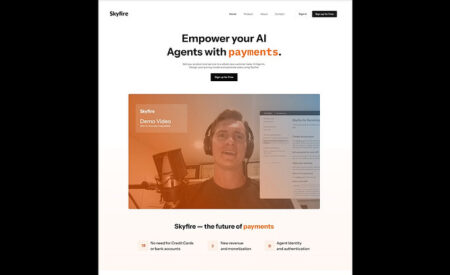
This is why I joined Skyfire.
This post isn’t necessarily about our technology and solution. But I can’t help but get excited about Skyfire’s KYA (Know Your Agent) protocol, a trust token that provides a trackable human starting point, and allows an agent to be recognized, accepted, and then carry out actions on the consumer’s behalf. The concept is very simple. Building the network around it is extremely complex.
The partner network behind this really matters. Experian, Visa, F5, Fastly, Akamai, Mastercard, Okta, Forter and many others round out an interconnected Skyfire ecosystem that has the potential to unlock agentic purchases across 80% of all commerce sites.
For the first time, merchants can let the agents with healthy intent through. These agents carry the authority of a person to complete actions that require extreme trust and accountability. There is no erosion to the customer relationship or loyalty. A brand new commerce channel with a deep and healthy customer connection is waiting, while some of your competitors are still wondering if it’s real.
Three Questions to Bring to Your Leadership Team
The first step isn’t a technology decision. It’s a conversation. Here’s what I’d ask:
-
What percentage of your inbound traffic are AI agents? And what is the trend? Most merchants don’t know. The ones who’ve looked are surprised.
-
How much of that traffic is your security team blocking? How much might be legitimate?
-
At what point does the agent hit a wall?
Then ask one more: “What would conversion look like if trusted agents could finish the shopping trip?”
According to Adobe, agentic referrals converted 31% better than traditional traffic during holiday 2025, and 42% better in Q1 2026. The trend is accelerating. Now imagine removing the friction entirely.
Don’t Wait on This One
This shift is different in one other important way: you don’t need a massive budget to get ahead of it. You don’t need to rebuild your platform. You just need to be curious, test accepting tokenized agents, and decide if you want to be one of the first to unlock agentic commerce in your category.
Analysts don’t predict trillion dollar commerce channels very often. But even if you just want to know what your agentic traffic looks like, that’s reason enough to dig in.
I’d love to have that conversation with you. Reach out and let’s talk about what agentic commerce could look like for your customers.